15 Best Magnesium Rich Foods for Muscle Health And Recovery
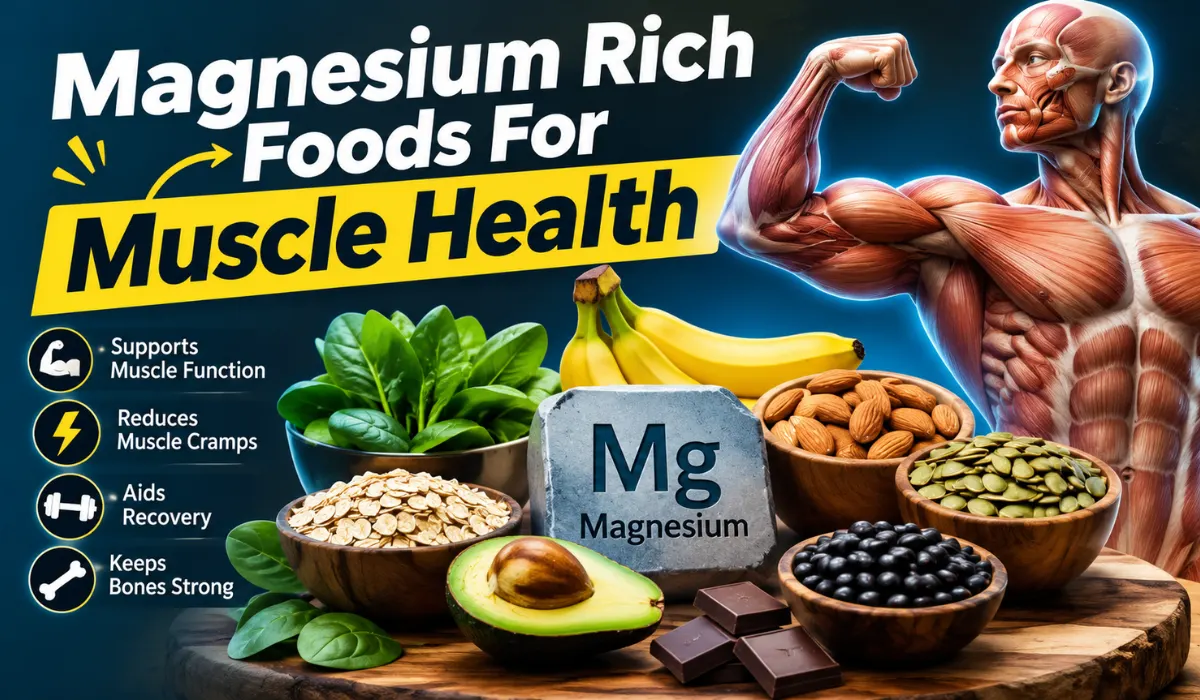
Along with calcium, magnesium is one of the most important minerals in these days of modern medicine and is often neglected in human nutrition, as it plays a role in over 300 enzymatic reactions that occur throughout the body. As far as bodily function, muscular endurance, and activity of everyday life, it is the unseen conductor playing an important role behind each contraction and relaxation cycle. Although protein is the most discussed topic in People Fitness and nutrition, protein Synthesis cannot proceed smoothly without proper level of Magnesium in cell. No matter if you are training for the marathon, power lifting or just trying to keep your legs mobile and reduce night leg cramps as you grow older, reliable magnesium-overtime consumption is essential for healthy muscles.
However, its critical nature has been duly neglected, and modern diet that has a strong reliance on ultra-processed food and agriculture stripped of its nutrients is failing to provide the recommended daily requirement to a large section of the population. The recommended daily dose of magnesium in all adults is 400 to 420 mg/day for men and 310 to 320 mg/day for women and is greater during pregnancy or when physical training is heavy. A diet full of whole nutrient-dense foods as opposed to reacting to magnesium deficiencies with instant supplements means that you're getting a dose of magnesium as well as synergistic vitamins, fiber and plant chemicals that help boost the bioavailability and cellular activity of the magnesium. Understanding this mineral, its physiology, and the healthiest whole food sources is allowing you to create a healthy nutritional strategy to help maintain healthy, resilient, and cramp-free muscles.
The Physiological Role of Magnesium in Muscle Function
Within each individual muscle fiber magnesium and calcium are engaged in a perpetual battle to regulate the initiation, duration and termination of fiber movement. In response to a signal by a nerve impulse, calcium is released into the muscle cells and causes actin and myosin filaments to bind together and produce force. At the end of the movement, a natural calcium channel blocker (a chemical that stops calcium getting into a cell) called magnesium pushes the calcium back out of the cells, allowing the muscle fibres to stretch and relax. If there are not enough magnesium ions to balance the calcium ones, then muscles will stay over-energised, causing them to twitch, experience painful spasms, become stiff and develop 'after-tension' after exercise.
In addition to controlling the cycle of contraction-relaxation, magnesium is essential for the production of cellular energy. Each ATP (adenosine triphosphate) molecule must have a magnesium ion to be physiologically active. This magnesium-ATP complex is important for muscle contractions, during exertion, provides energy for cell's repair, in times of rest, is necessary to maintain electrical potential of the membranes of a nerve and muscle cell. Additionally, magnesium is involved with protein production and its regulation of blood glucose and insulin sensitivity helps with toning and maintaining regular delivery of glycogen and amino acids to the working muscles, to restore micro-tears and strengthen them after exercise.
Read Also: Healthy Vegetable Meals For Fitness Diets: Fuel Your Workout
Pumpkin Seeds and Hemp Hearts as Concentrated Powerhouses
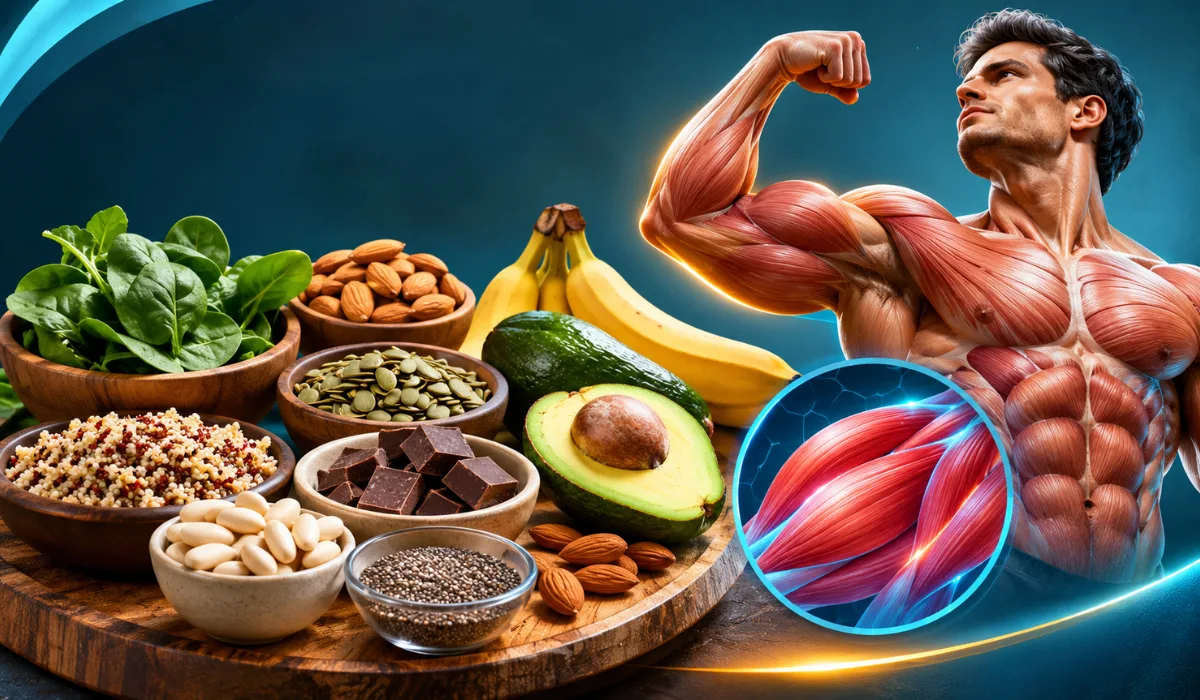
Seeds have some of the largest available amounts of magnesium per gram for any whole food, making them easy to fit into any eating plan. Also known as pepitas, roasted pumpkin seeds are so rich in magnesium they fall almost at the top of the list, providing approximately 150 - 168 milligrams of magnesium per one ounce serving. This little-known food provides almost 40 percent of your daily pumpkin seeds needs and contains plant-based protein, zinc (for immune cells and tissue repair) and anti-inflammatory omega-6 and omega-3 fats.
The soft inner kernels of hemp seeds, known as hemp hearts, are close behind at around 210 milligrams of magnesium per 3 TB serving. Hemp hearts are tender, nutty and easily digested, unlike the harder seeds, which need to be well chewed to digest the outer seed coats. They are also loaded with the full range of amino acids and are doubly useful in regard to muscle recovery. Pumpkin seeds can be added to salads or ground into pumpkin seeds powder to enhance a salad, or hemp hearts can be blended with massaged greens, fruit, and various smoothies and beverages post-workout.
Dark Leafy Greens and the Chlorophyll Connection
Magnesium's chief assets lie with dark leafy greens simply because it's right at the heart of the chlorophyll molecule that provides plants with their beautiful, emeraldy coloring. Cooked spinach is the healthiest leafy green, with about 157 milligrams of magnesium per cup serving. The mineral content is much concentrated as the volume of spinach is greatly reduced after cooking, and the oxalates in spinach are reduced, which can help them partially bind to minerals in the digestive tract.
Swiss chard and kale are both excellent ‘leafy greens,' with one cup of cooked Swiss chard providing approximately 150mg of magnesium. These greens provide dietary nitrates as well as magnesium, that are converted into nitric oxide in the body, which help to expand blood vessels and help deliver oxygen to exercising muscle. Using these greens in cooked side dishes, salads, energy bites, omelets or grain bowls provides a slow-release, bioavailable source of potassium and vitamin K as well as electrolytes.
Nuts That Fuel Strength and Recovery
Tree nuts and peanuts are an easy-to-take, shelf-stable option to supplement the magnesium that's lost between meals and an excellent source of healthy, shelf-stable monounsaturated fats that stop inflammation after exercising. Almonds and cashews are among the best nuts to select for muscles. Here, one-ounce dry roasted almonds offer about 80 milligrams of magnesium, and a comparable amount of cashews offers around 74 milligrams. Both nuts are also rich in vitamin E, a fat soluble antioxidant that is important for reducing the oxidative stress in walls of muscle cells during aerobic or resistance exercise.
Legumes and Beans for Sustained Energy
Pulses provide a special mix of complex carbohydrates, plant protein, dietary fiber and packing heaps of minerals — making them the perfect every day food for those who want to keep active. Black beans have about 120 milligrams of magnesium per cooked cup, followed by about 100 milligrams of magnesium in edamame per cooked cup. Legumes are digested slowly, allowing the gradual release of glucose into the blood to replace muscle glycogen stores over hours as opposed to causing anything like a spurt or drop in blood-sugar levels.
Whole Grains Over Refined Alternatives
The legith point you need to take into consideration to get more magnesium into your diet is to eat grain products that are intact, rather than refined, which remove the nutrient-rich bran and germ from the grains. Quinoa, which is also a type of seed, provides about 118 mg of magnesium per cup (cooked) and all nine essential amino acids. Both buckwheat groats and amaranth boast the same mineral density and range in the amount of minerals they contain between 85 and 160 milligrams per cooked cup, and are naturally gluten-free and easily digestible.
Other good sources include traditional oats and brown rice. About 60 milligrams of magnesium are in a cup of cooked oatmeal, easily doubled by adding chia seeds, flaxseeds or almond butter. Choosing brown rice, wild rice, or farro instead of white rice provides an additional 80 to 85 milligrams of magnesium per cup, boosting a simple carbohydrate side dish into a nourishing recovery snack that directly promotes recovery and relaxes muscles.
Fatty Fish and Seafood Sources
Although plant-based foods are traditionally the focus for magnesium, fatty fish and some seafoods contain appreciable amounts of magnesium and long-chain omega-3 fatty acids, as well as high-quality animal protein. Mackerel and salmon are especially rich in magnesium, with a deliciously 3 ounce fillet of Atlantic mackerel giveing about 82 milligrams, and wild-caught salmon providing about 30 to 40 milligrams. Halibut and pollock also provide significant contributions, ranging from 25 – 90 mg per species and cut.
The balance of the mineral and EPAs (eicosapentaenoic acid/docosahexaenoic acid) in fatty fish is what makes it truly exciting. These marine source omega-3 fats become a direct part of the muscle cell membranes, which helps to minimize delayed onset muscle soreness, boost muscle protein synthesis, and increase neuro-muscular recruitment. Eating fatty fish 2-3 times a week can support multiple aspects of muscle recovery.
Read Also: Iron Rich Foods For Healthy Nutrition: Best Energy-Boosting Choices
Dark Chocolate and Avocado as Nutrient-Dense Additions
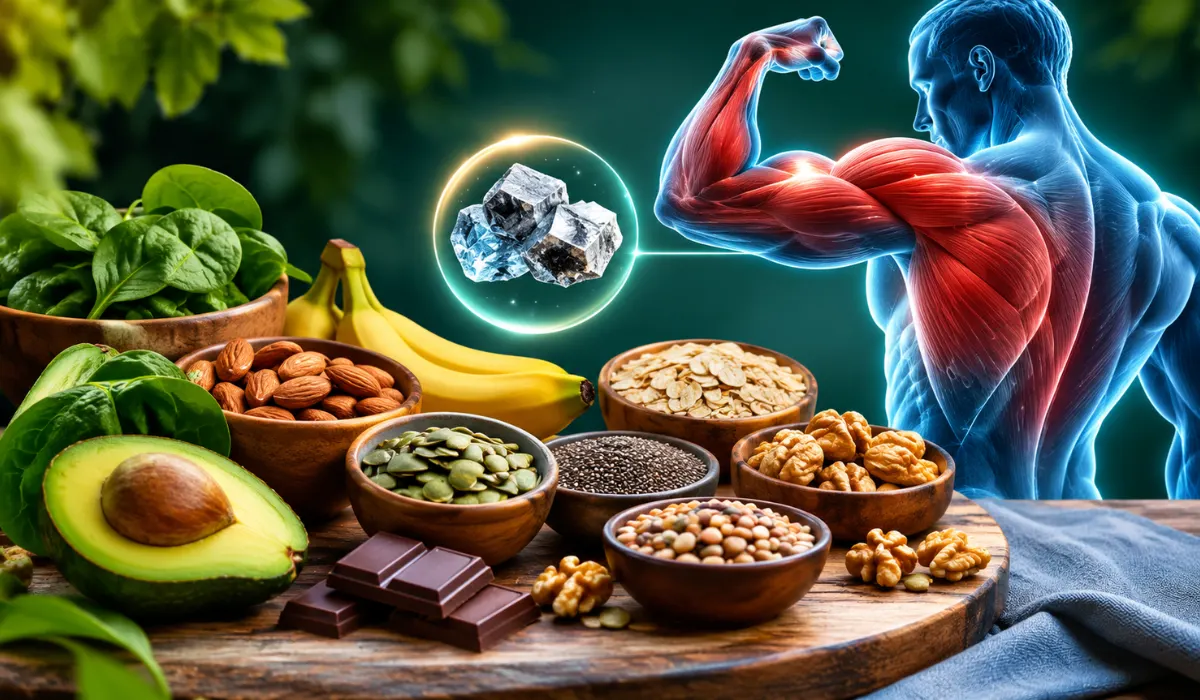
Whole foods that are rich in magnesium, such as nutrient dense foods, can also help pacify cravings for richer foods or creamy textures, but still provide a lot of magnesium. A one-ounce square of dark chocolate (70% to 85% cocoa solids) has around 64 milligrams of magnesium. Not only is pure cacao rich in minerals, it also contains flavanols that promote nitric oxide, enhance blood flow in the endothelial cells of the body's blood vessels, and slow the onset of muscle fatigue in the event of prolonged exercise. Since there's no extra empty calories to be had, choosing minimal processing of dark chocolate and added sugar will provide you with these cardiovascular and muscular benefits.
Other incredibly adaptable ways to increase electrolyte uptake include eating a whole avocado, which contains about 58 milligrams of magnesium and almost 1,000 milligrams of potassium. The two elements itself are a natural combination that is exactly what is needed in the body to have the proper balance of electrolyte distribution and cramp prevention, particularly in a hot climate and humidity. Spread avocado on whole-grain toast, combine it into a salad dressing, or add to post-training grain bowls for improved nutrient assimilation, as well as satisfaction.
Optimizing Magnesium Absorption and Daily Meal Integration
Eating foods that contain magnesium is just part of the nutrition picture – efficient absorption and retention of magnesium into the body is also essential. The absorption of magnesium occurs mostly in the small intestine, and is greatly affected by general digestive health, vitamin D and dietary balance. Vitamin D plays an attendant role in magnesium absorption; vitamin D is essential for the intestinal absorption of magnesium and adequate magnesium is necessary for Vitamin D production in the liver and kidneys. Ensuring enough fluid and not drinking too much alcohol or high amounts of zinc or ultra-processed foods that contain phosphoric acid, will not cause any unnecessary urinary magnesium loss.
Frequently Asked Questions
How quickly can increasing magnesium-rich foods relieve muscle cramps?
If the muscle cramps are clearly related to some minor problem of magnesium deficiency, supplementation with regular whole food magnesium with adequate hydration can decrease the number of muscle cramps in several days to 2 weeks. The muscle stores inside the cell are not readily replaceable, i.e. building up in a few days' time or at a rapid rate will take a lot longer to build up.
Can you consume too much magnesium from whole foods alone?
However, healthy kidneys can readily eliminate magnesium from the diet and medically induced excesses of dietary magnesium are almost impossible in the absence of severe renal impairment. However, synthetic supplements in high does can be create digestive problems, loose stools and electrolyte imbalances.
Does cooking destroy the magnesium content in vegetables and grains?
The magnesium is not a heat-sensitive vitamin, so is not destroyed by heat. While additional minerals might be leachable from the boiling water into the vegetables or grains, boiling larger quantities of water would be considered a limiting factor. Virtually all the minerals remain in the food if it is steamed, sautéed, roasted, or made into a soup.
Why do athletes and active individuals need more magnesium than sedentary people?
Exercise stimulates metabolism, increases ATP consumption, and results in the loss of minerals in sweat and urine. Research shows that athletes who exercise vigorously and regularly may need 10%–20% higher levels of magnesium than sedentary people to support their neuromuscular health and performance and to prevent fatigue.
Are certain foods known to block magnesium absorption?
Certain foods, including raw spinach and rhubarb, unsoaked grains and legumes, will chelate (bind) some of the amount of magnesium consumed. These anti-nutrients are reduced and also made available for easy absorption if soaking, sprouting, fermenting or lightly cooking the food.

Why Healthy Food Choices For Better Digestion Matter

Mental Health Activities for Students: Feel Better Fast

Yoga Poses for Core Strength: Build Stability and Balance

Meditation for Athletic Performance: A Complete Athletes Guide

Gut Health Nutrition: Foods and Habits for Better Digestion

Fitness Band Exercise for Arms