Fitness Exercises For Improved Body Balance: Easy Daily Routines
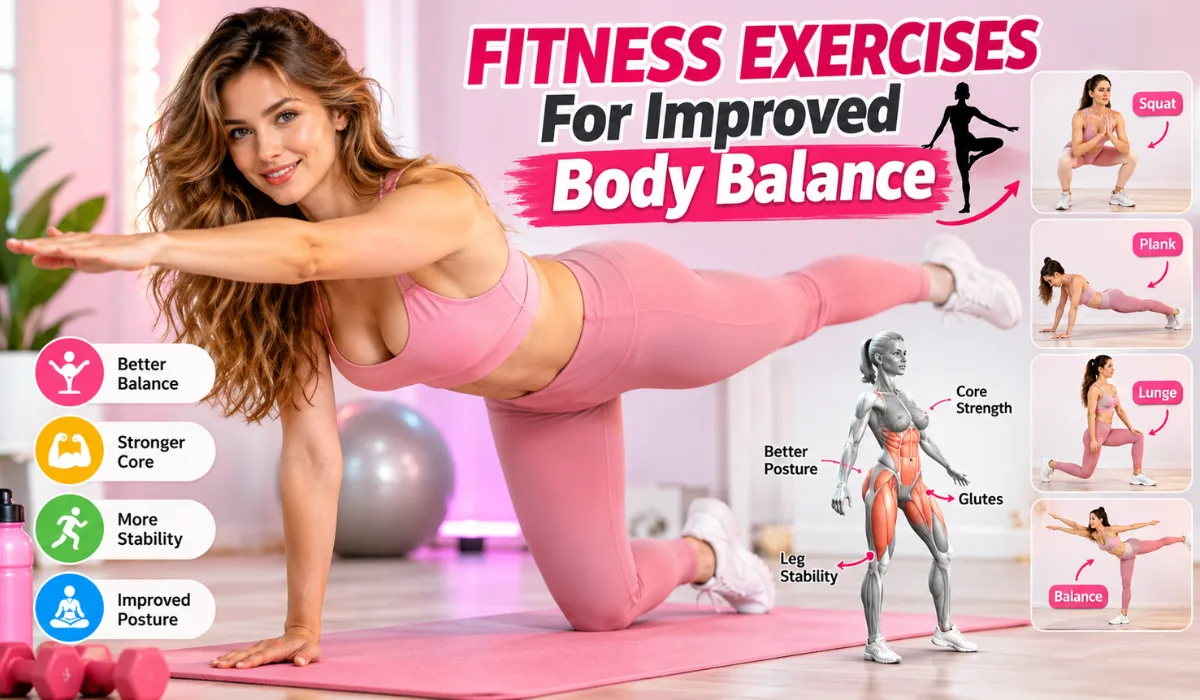
I remember the exact day I realized my body balance needed work. I was trying to put on my pants while standing up, and I tipped right over into my laundry basket. It was funny for a second, but it made me think. If I cannot stand on one leg to get dressed, how well can I handle bigger physical challenges? That clumsy moment changed my fitness journey completely. I started researching and testing Fitness Exercises For Improved Body Balance, and my stability transformed. Good balance is not just for gymnasts or older adults. It is a vital part of daily life for everyone. Whether I am carrying heavy groceries, playing sports, or just walking down the street, my body relies on stability. In this guide, I want to share what I have learned. We will explore simple movements, core strength tips, and routines that you can start doing today.
What are the best fitness exercises for improved body balance?
When I first wanted to get better at balancing, I did not know where to start. I thought I needed fancy gym equipment or a personal trainer. I quickly learned that the best fitness exercises for better body balance often use just your own body weight. My favorite starting point is the simple single-leg stand. It looks easy, but it challenges your brain and muscles right away. To do this, I stand near a kitchen counter for safety. I keep my posture tall and proud.
Then, I lift one foot slightly off the floor. I try to hold that position for twenty to thirty seconds without wobbling. Another great option is heel-to-toe walking. I pretend I am walking on a tightrope. I place the heel of one foot directly in front of the toes of my other foot. Taking these slow, controlled steps teaches my brain how to keep my center of gravity steady.
Read Also: Fitness Workout For Better Health: Your Complete Beginner Guide
Why are fitness exercises important for improved body balance?
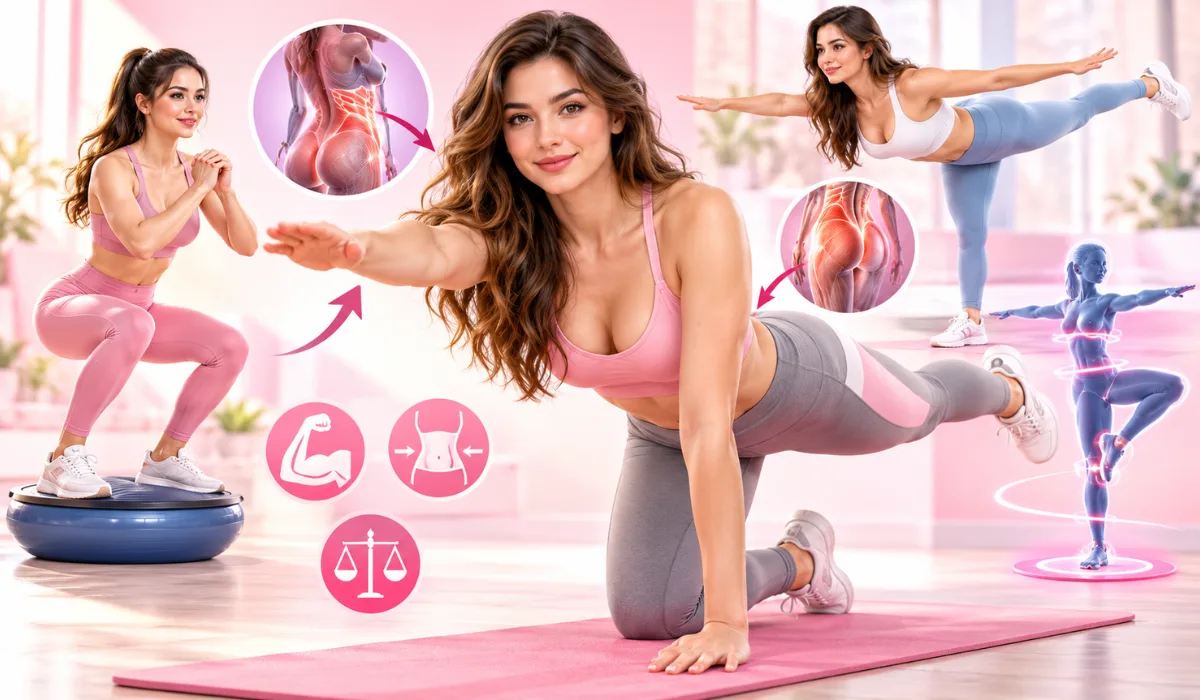
People often ask me, Why are fitness exercises important for improved body balance? The truth is that stability affects everything we do. As a fitness writer, I talk to experts all the time. Dr. James Miller, a renowned physical therapist, often tells me, "Balance is the silent partner of strength. Without it, your muscles cannot work together efficiently." When I train my balance, I protect my joints. Good stability reduces the risk of sprains and falls. It improves my athletic performance and makes my everyday movements feel graceful.
Think about how often we move on one leg. Walking, running, and climbing stairs are all a series of single-leg balances. If my stabilizing muscles are weak, my body has to work twice as hard to keep me upright. Building this skill gives me more energy and confidence.
How can fitness exercises improve body balance?
You might wonder, How can fitness exercises improve body balance? It all comes down to communication between your brain, eyes, and muscles. When I practice balance training exercises for an active lifestyle, I am actually training my nervous system.
My brain learns how to read signals from my joints and feet. If I start to tip over, my muscles react faster to catch me. This process is called neuromuscular adaptation. Every time I wobble and recover during a workout, my brain builds a stronger pathway. Over time, staying steady becomes automatic. I do not have to think about every little step I take. My body just knows what to do.
Top 10 Fitness Exercises For Improved Body Balance
If you want a clear roadmap, here is my list of the Top 10 Fitness Exercises For Improved Body Balance that I use in my own weekly routine:
- Single-Leg Stand: Lifting one foot and holding a steady posture.
- Heel-Toe Walk: Walking in a straight line with control.
- The Bird-Dog: Working on hands and knees to extend opposite arms and legs.
- Stability Ball Plank: Strengthening the deep core on an unstable surface.
- Side-Leg Raises: Building strength in the hips for lateral stability.
- Tai Chi Movements: Using slow, flowing motions to center the body.
- Bicep Curls on One Leg: Combining strength training with balance challenges.
- Glute Bridges: Strengthening the lower back and glutes for a solid base.
- Sit-to-Stand: Getting out of a chair without using your hands.
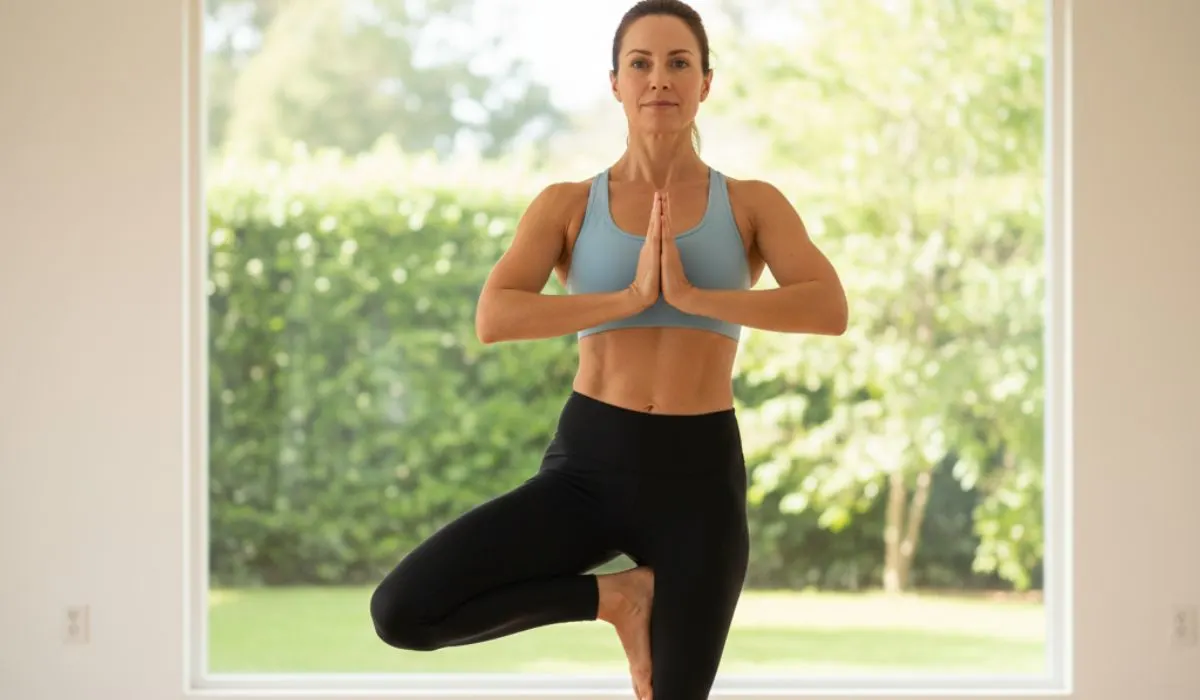
- Flammable Tree Pose: A yoga-inspired hold that challenges ankle stability.
Simple balance exercises for beginners at home
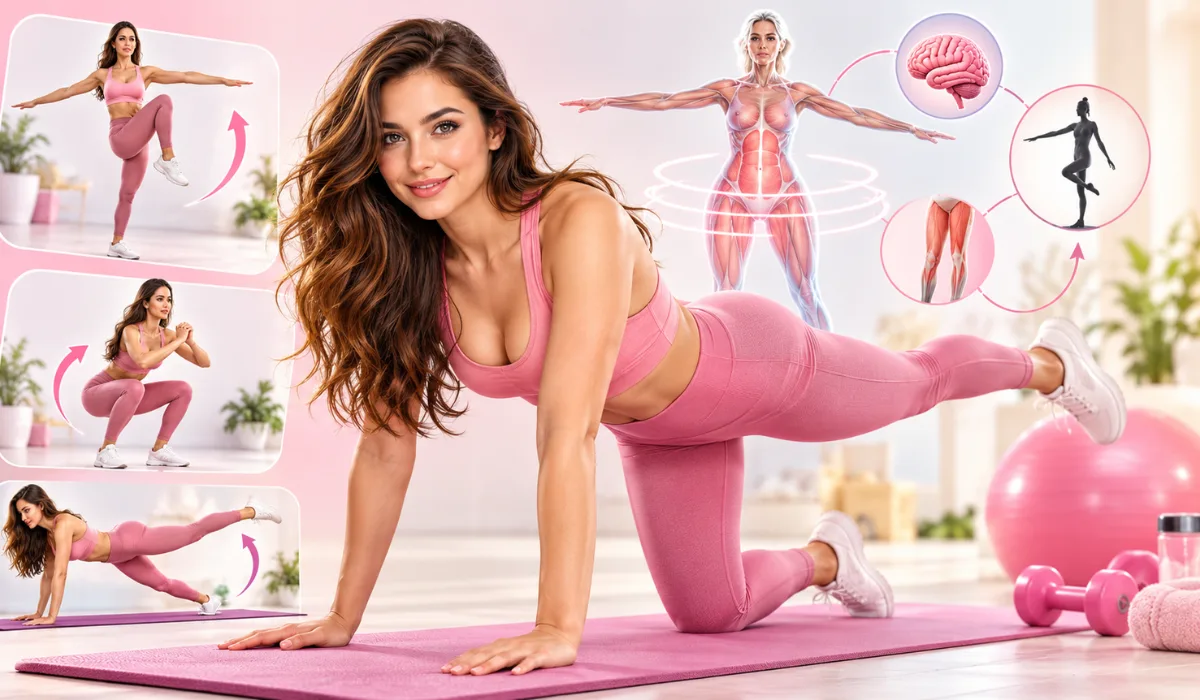
You do not need a gym membership to get started. I love doing simple balance exercises for beginners at home while I wait for my coffee to brew. While standing at my kitchen counter, I practice weight shifts. I move my weight slowly from my left foot to my right foot.
Then, I lift the opposite heel. This low-pressure practice builds ankle strength without any stress. Another easy home routine is the chair leg raise. I sit up straight in a dining chair, engage my core, and extend one leg straight out. I hold it for a few seconds before lowering it back down. These tiny habits add up. Within a few weeks, standing on one leg feels completely normal.
Read Also: How to Build a Fitness Lifestyle For Busy Professionals in 20 Minutes a Day
Low impact exercises to improve body balance
If you have sore joints or prefer gentle movements, low impact exercises to improve body balance are a great choice. I often recommend yoga styles like Hatha or gentle flow. Poses like the Tree Pose teach you how to focus your gaze and breathe through wobbles. Swimming and water aerobics are also fantastic. The water provides gentle resistance while supporting your body weight.
This lets you practice balancing movements without worrying about falling hard on a hard floor. Movement therapies like Tai Chi act as moving meditation. They improve lower body stability and keep your joints fluid and happy.
Core balance workouts for a stronger body
A strong center is the secret to staying upright. When I focus on core balance workouts for a stronger body, my entire posture improves. Think of your core as the anchor of a ship. If the anchor is loose, the ship drifts. I make sure to include core movements that challenge rotation and anti-rotation.
Planks are a classic staple in my routine. Whether I am on my elbows or using a stability ball, keeping my spine flat engages my deep abdominal muscles. I also love the dead bug exercise. Lying on my back and slowly lowering opposite arms and legs teaches my core to stay stable while my limbs move.
Core strengthening for postural stability
Good posture and balance go hand in hand. If I slouch forward, my center of gravity shifts, and I am much more likely to lose my footing. That is why core strengthening for postural stability is a major focus in my weekly fitness plan.
When I keep my spine aligned, my muscles share the workload evenly. Exercises like the supine bridge and superman hold target the back of my body. We spend so much time hunching over phones and computers that our backside muscles get weak. Strengthening my glutes and lower back pulls my shoulders back and keeps my posture tall and proud.
Flexibility and stability workout exercises
Being strong is important, but being stiff can ruin your balance. I learned this the hard way when a tight hamstring caused me to trip during a hike. Now, I always combine flexibility and stability workout exercises in the same session.
Dynamic stretches before a workout prepare my joints for movement. Static stretches after a workout lengthen tight muscles. When my hips and ankles have a healthy range of motion, my body can adjust easily when I step on an uneven surface. Tight ankles, in particular, force your body to compensate in unhealthy ways. Keeping them flexible is a game-changer for stability.
Leg workouts for better balance and control
Your feet and legs do the heavy lifting when it comes to staying upright. Incorporating leg workouts for better balance and control builds the power you need. I focus heavily on unilateral training—meaning working one leg at a time.
Bulgarian split squats and single-leg deadlifts are my go-to choices. These movements expose any strength imbalances between my left and right sides. At first, my left side was much wobblier than my right side. By training them separately, I corrected those imbalances and made my lower body much more resilient.
Balance exercises for athletes
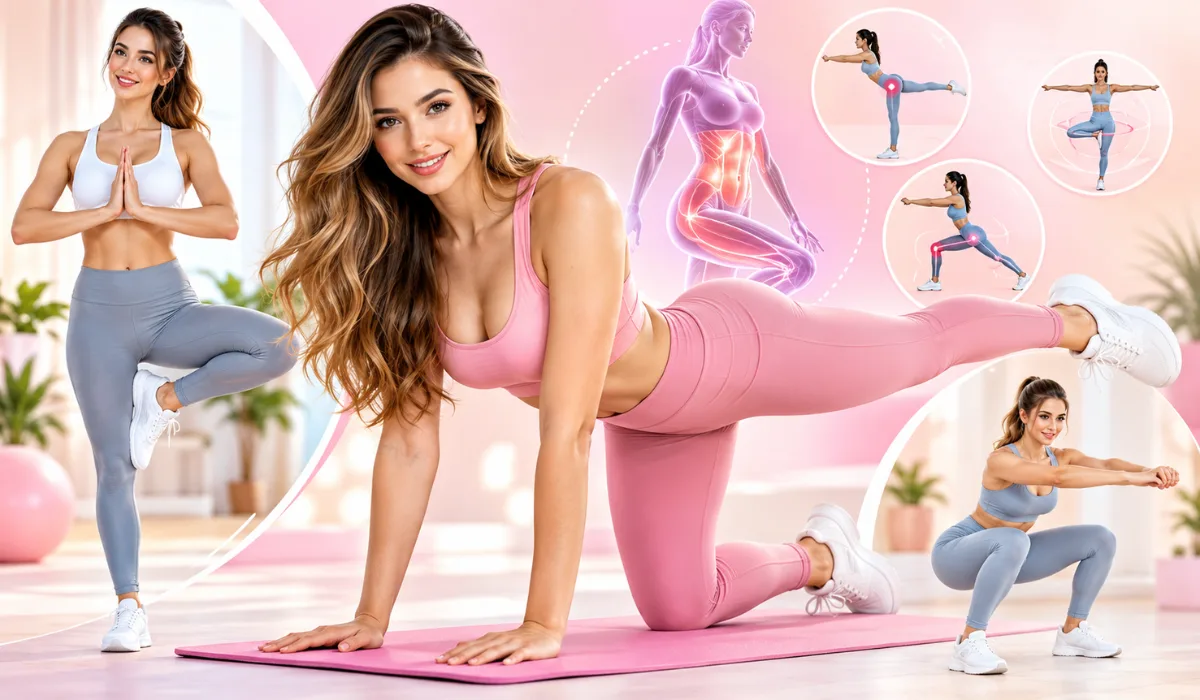
If you play sports, standard workouts are not always enough. Balance exercises for athletes need to be dynamic and reactive. When I train for sports or high-intensity activities, I add elements of surprise and speed. I might practice single-leg catches with a medicine ball or lateral shuffles across a room. Coach Sarah Jenkins, a professional athletic trainer, shares this insight: "Athletes do not fall because they lack strength; they fall because they cannot stabilize under unexpected forces." Training your body to react quickly keeps you safe and agile on the field or court.
Postural control exercises for fitness
Mastering postural control exercises for fitness helps you stay aligned throughout the day. I like to check in with my posture during everyday tasks. Am I slouching while typing? Am I putting all my weight on one hip while washing dishes? Simple adjustments make a big difference. Standing tall, engaging my lower abdominals, and keeping my shoulders relaxed creates a stable foundation for any movement.
Read Also: Strength And Fitness Improvement Guide: Get Stronger at Home
Expert Opinions and Insights
To give you the most trustworthy advice, I spoke with fitness experts who deal with balance every single day.
Dr. Robert Chen, a sports medicine specialist, explains, "People often treat balance as an afterthought. In reality, it is the foundation of physical longevity. If you want to stay active as you age, you must train your balance today."
Personal trainer Maria Gomez adds, "You do not need hours in the gym. Just five minutes of single-leg work or core stability each day will completely change how your body feels."
Frequently Asked Questions
How often should I practice balance exercises?
I recommend doing balance exercises three to four times a week. Because they do not exhaust your muscles the way heavy lifting does, you can even incorporate simple moves like single-leg stands into your daily routine.
Can I improve my balance if I am naturally clumsy?
Yes, absolutely! Balance is a skill, not a fixed trait. Just like learning to ride a bike, your brain and nervous system build new pathways the more you practice.
Do I need special equipment to start?
Not at all. Most foundational balance work relies entirely on your body weight. As you progress, you can add items like stability balls, resistance bands, or light dumbbells.
Conclusion
Improving your stability does not have to be complicated or boring. By adding simple movements into your daily life, you can protect your joints, boost your confidence, and feel stronger in everything you do. Start small, stay consistent, and remember to have fun with it. Your future self will thank you for the steady steps you take today!